Biological extraction protocols beyond PRF
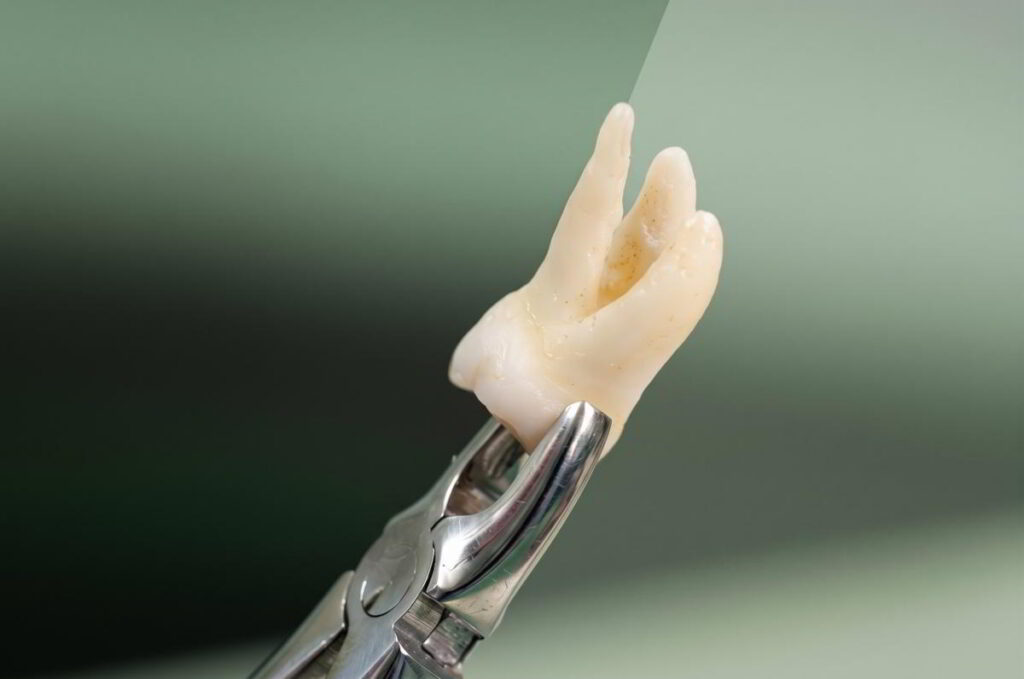
Having a tooth removed is rarely anyone’s first choice, and the way it is done can shape how well the area heals for years afterward. Biological tooth extraction treats the removal as the start of a healing process, not just the end of a problem tooth. It focuses on gentle technique, thorough cleaning of the socket, and support for the body’s own repair, so that the site is ready for whatever comes next, whether that is natural healing, a bone graft or an implant.
At Bloom Holistic Dental, we view every extraction through the lens of holistic dentistry: the mouth is part of the whole body, and a socket is living tissue that deserves careful handling. Many patients have heard that platelet-rich fibrin (PRF) is the centerpiece of this approach. PRF is a valuable tool, but it is only one part of a good protocol.
In this post, we will explain when extraction is the right call, what a biological protocol includes beyond PRF, how to read the evidence honestly (including claims that remain debated), and what healing and aftercare look like.
When Extraction Is the Right Call
Keeping a natural tooth is usually the better option when it can be done predictably, which is why we explore conservative choices first, including the approaches described in our post on biomimetic dentistry. Sometimes, though, removal is the healthiest decision. Common reasons include:
- Fractures below the bone line that cannot be restored
- Advanced gum disease with severe bone loss and loose teeth
- Non-restorable decay or infection that threatens surrounding tissue
- Failed root canal treatment that cannot be retreated successfully
- Impacted or crowded teeth that cause pain, infection or damage to neighboring teeth
Mainstream care for extractions is well established: a careful exam and imaging, local anesthesia, gentle removal and clear aftercare instructions. The most talked-about early complication is dry socket. According to the ADA’s MouthHealthy guidance, it occurs when the blood clot over the socket is displaced, leaving bone and nerves exposed, and smoking and other tobacco use can delay healing. A biological protocol keeps all of this and focuses on protecting that clot and the tissue around it.
What PRF Does Well, and What It Cannot Do Alone
PRF is made from a small sample of your own blood, spun to concentrate platelets and healing proteins into a soft fibrin clot that is placed in the socket. If you want the basics, see our platelet-rich fibrin page and our post on PRP and PRF in holistic dentistry.
The research is encouraging but specific. A 2021 systematic review of 20 studies in the International Journal of Implant Dentistry found that:
- Pain was significantly lower with PRF in about two-thirds of studies, especially in the first 1-3 days
- Soft tissue healing was significantly better at 1 week in 75% of studies
- Bone loss was significantly lower at 8-15 weeks, but that advantage was no longer seen by 6 months
The authors concluded that PRF is most effective in the first 2-3 months of healing, noted that the studies were too varied to combine in a meta-analysis, and said the data do not allow conclusions about long-term implant success.
In plain terms, PRF appears to help the early healing phase, but it does not replace good technique, a clean socket or sound aftercare. A biological protocol uses PRF as one tool among several.
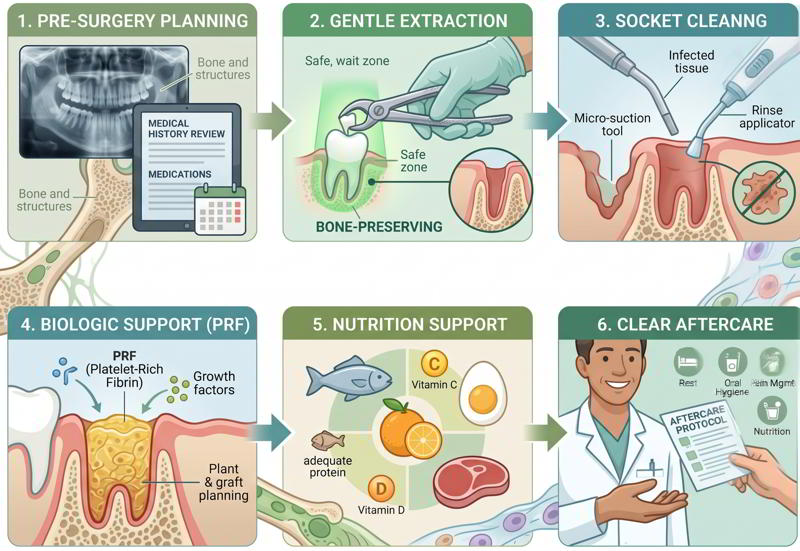
The Building Blocks of a Biological Extraction Protocol
1. Planning before the day of surgery
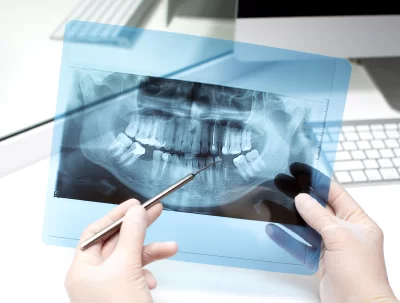
Good extractions begin with information. We review your medical history, medications and supplements, and take 3D imaging such as CBCT when it is useful, so we can see the roots, the surrounding bone and nearby structures. If an implant or graft is likely, we may also discuss biocompatibility testing to guide material choices.
2. Gentle, bone-preserving technique
The aim is to remove the tooth with as little trauma as possible. That often means sectioning a tooth and loosening it gradually rather than using force, and protecting the thin bone walls of the socket. Less trauma generally means less swelling and a better foundation for healing.
3. Thorough cleaning of the socket
Once the tooth is out, the socket is carefully cleaned of infected or inflamed tissue and rinsed. Some practitioners add ozone or laser to disinfect the site, as we do at Bloom. It is fair to say that the evidence for these adjuncts is still limited, so we present them as optional extras that support careful cleaning, not as replacements for it.
4. Biologic support for healing
This is where PRF fits in, placed in the socket to support early healing. When the plan calls for an implant, a bone graft may also be placed to maintain the shape of the ridge. The choice of graft and membrane material is individual, which is another reason to talk through your health history beforehand. If you are considering a metal-free implant, our page on zirconia implants explains that option.
5. Nutrition and supplements
The body heals with the materials it is given. Adequate protein, vitamin C and vitamin D are generally associated with good wound healing, and we encourage a nourishing diet before and after surgery. Some supplements, such as fish oil, vitamin E and certain herbal products, can affect bleeding, so always tell us and your physician what you take before treatment.
6. Clear aftercare
Protecting the clot is the priority in the first days. We give written instructions on rinsing, eating, activity and what to avoid, and we check in during healing. The next section covers what that usually involves.
A Note on Debated Ideas
Biological dentistry sometimes discusses topics where the science is unsettled, and you deserve a clear picture of that. One example is the idea of jawbone “cavitations”: areas of unhealed or chronically inflamed bone that some practitioners believe can remain at old extraction sites and may affect health elsewhere in the body. This concept remains controversial, published research is limited, and these areas can be hard to interpret on imaging.
Our practical view is simple. Thorough cleaning of every socket is part of good extraction care for everyone, and it makes sense whatever one’s view of cavitations. If you have lingering pain or swelling at an old extraction site, the right step is a proper evaluation, with referral to an oral surgeon or pain specialist when needed. Claims that an old extraction site is the hidden cause of a systemic illness should be approached with caution and discussed with your physician.
A related question is how chronically infected teeth might influence overall inflammation. We cover that in our post on root canal-treated teeth and systemic inflammation, and the same principle applies: this is an area of ongoing research, and individual decisions should be made with your care team.
Healing and Aftercare: What to Expect
Healing varies from person to person, but this is a typical pattern:
| Standard periodontal care | What a biological approach adds |
|---|---|
| Removes plaque and calculus | Asks why deposits keep returning: diet, dry mouth, mouth breathing, hygiene habits |
| Measures pockets and bone levels | Looks at inflammation drivers: smoking, blood sugar control, stress, sleep |
| Uses antimicrobials when indicated | Supports microbial balance and healing, and considers gentler options where the evidence supports them |
| Treats the mouth | Coordinates with your physician when conditions overlap |
These steps protect the clot and support healing:
- Avoid smoking and tobacco, which can delay healing
- Eat soft, nourishing foods and stay hydrated
- Avoid vigorous rinsing, spitting and drinking through a straw in the first days, unless we advise otherwise
- Follow the cleaning instructions we give you for the area
- Rest, and avoid strenuous exercise while the site settles
Contact us promptly if pain gets worse after the first few days, if you have fever, spreading swelling, a bad taste or smell, or bleeding that does not slow with pressure. The ADA notes that dry socket is treated by cleaning the site and placing a medicated dressing, so it is worth calling early.
If you are planning an implant afterward, the timing of grafting and placement depends on your bone, your health and the material you choose. We map that out together before the extraction, not after.
Frequently Asked Questions
Is PRF necessary for a good extraction outcome?
No. Many extractions heal well without it. Research suggests PRF can help early healing, especially pain and soft tissue closure, but its advantage for bone appears to fade by around 6 months. Whether it makes sense for you depends on the tooth, the site and your plans.
What does “biological” add compared with a standard extraction?
The core of the procedure is the same. A biological protocol adds closer attention to your health history, gentle bone-preserving technique, thorough socket cleaning, optional adjuncts such as ozone, and nutrition and aftercare planning.
Do I need a bone graft after an extraction?
Not always. A graft is most often considered when an implant is planned and the ridge needs support. Your dentist will recommend one based on imaging and your goals.
How can I lower my risk of dry socket?
Avoid smoking and other tobacco, follow your aftercare instructions closely, and call your dentist if pain increases after the first few days. Dry socket happens when the clot is displaced, so protecting the clot is the main goal.
The Bottom Line on Biological Tooth Extraction
Biological tooth extraction is built on the same foundation as any careful extraction, then adds attention to the whole person and to the quality of healing. PRF is a useful tool with encouraging but time-limited evidence, and it works best alongside gentle technique, a clean socket, good nutrition and clear aftercare. Where ideas remain debated, we say so and keep the focus on what helps you heal. If you have a tooth that needs to come out, the best first step is a conversation about your options.
Ready for a whole-body approach to your dental care? Bloom Holistic Dental proudly serves patients throughout New Jersey with IAOMT-accredited, whole-body dental care. Visit our New Patients page or contact our Englishtown office to schedule a consultation with Dr. Nicole Zimmermann.
Practice Name: Bloom Holistic Dental
Our Location: 55 Willow Lane, Suite 203, Englishtown, NJ 07726
Phone Number: 732-792-3260
Connect with Us: Visit our New Patients Portal to request an appointment or schedule a consultation with our friendly clinical team.
Medical Disclaimer: This article is for educational purposes only and does not constitute medical or dental advice. Individual health decisions should be made in consultation with Dr. Zimmermann and your physician or another qualified healthcare provider.
Sources referenced:
Efficacy of platelet-rich fibrin in promoting the healing of extraction sockets: a systematic review (International Journal of Implant Dentistry, 2021)
ADA MouthHealthy: Dry Socket