
Biological Approaches to Periodontal Disease Management
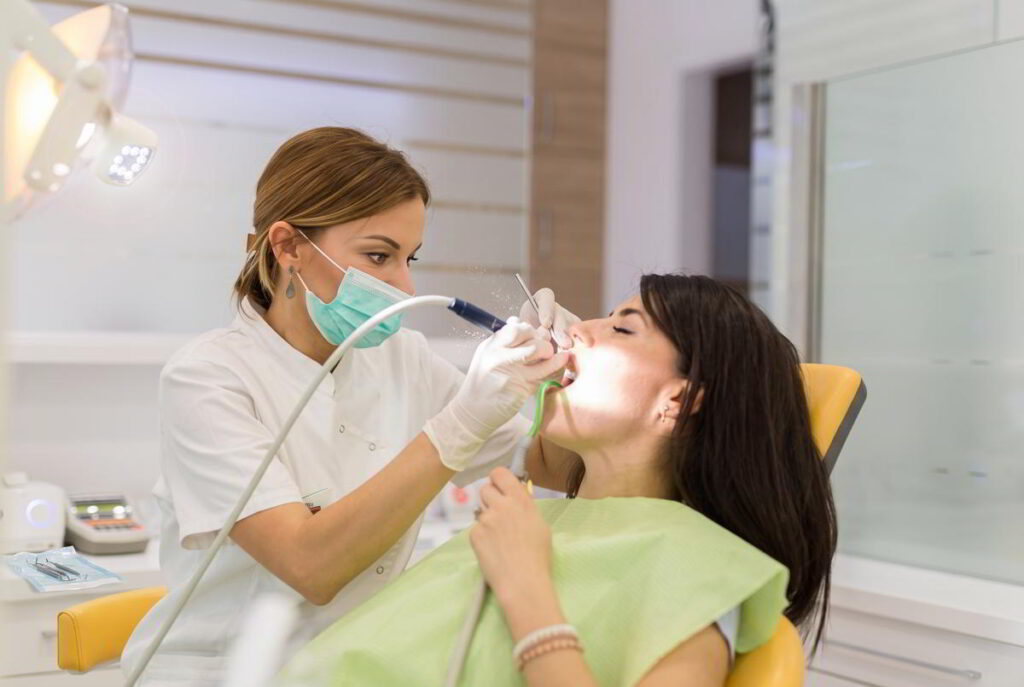
If your dentist or hygienist has mentioned bleeding gums, deep pockets or bone loss, you have probably been told to keep up with cleanings and little else. Biological periodontal treatment takes a broader view. It starts with the same careful cleaning that standard care relies on, then looks at the other factors that decide whether gum tissue can heal: the bacteria living around your teeth, how your body responds to them, and the health of the whole person.
At Bloom Holistic Dental, we see periodontal disease as part of the whole body, a principle at the heart of holistic dentistry. A biological approach does not replace standard periodontal care. It builds on it, and it works best alongside your dentist, your hygienist and, when needed, a periodontist and your physician.
In this post, we will explain what periodontal disease is, what “biological” means in practice, the main pillars of this approach, how gentle options such as ozone and laser fit in (and where the evidence is still limited), and what a step-by-step plan can look like.
What Is Periodontal Disease?
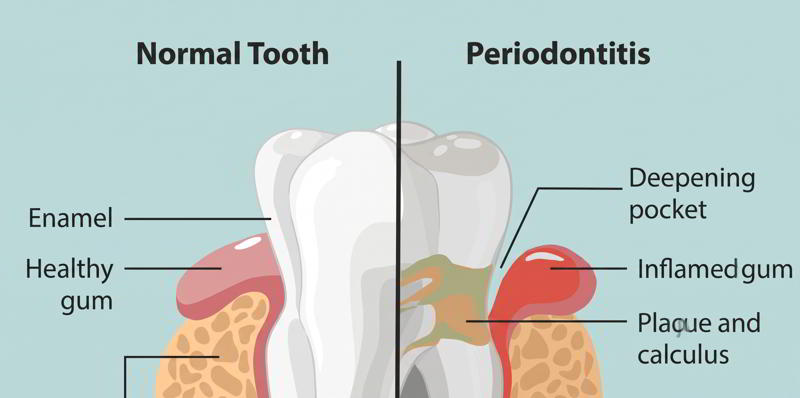
Periodontal disease is a chronic, bacteria-driven inflammatory condition of the gums and the bone that holds your teeth in place. It often begins as gingivitis, with red, swollen gums that bleed easily and can still be reversed. If the inflammation continues, it can progress to periodontitis, where gum attachment and bone are gradually lost.
It is also common. The CDC reports that about 4 in 10 U.S. adults aged 30 or older had some level of periodontitis in 2009-2014, rising to about 60% of adults aged 65 or older.
Because it is often painless in the early stages, many people do not notice it until it is advanced. Signs worth mentioning to your dentist include:
- Bleeding gums when brushing or flossing
- Persistent bad breath or a bad taste that does not go away
- Receding gums or teeth that look longer than before
- Deepening pockets between the teeth and gums, found during an exam
- Loose or shifting teeth in more advanced cases
The standard of care
Mainstream guidelines are clear about where treatment starts. The ADA’s 2015 clinical practice guideline supports scaling and root planing, a deep cleaning that removes plaque and calculus from below the gumline, as the initial nonsurgical therapy, noting a moderate benefit that outweighed potential adverse effects. Advanced cases may also need surgical care, sometimes with a periodontist.
We agree with this foundation. A biological approach never skips it.
What “Biological” Means in Periodontal Care
A biological approach asks not only how to remove deposits, but why the gums became diseased in the first place and what will help them heal. Three ideas sit behind it.
- The oral microbiome. The mouth is home to hundreds of bacterial species. Periodontal disease is associated with a shift toward more harmful, inflammation-promoting species, so the goal is to restore balance, not just to wipe out bacteria.
- The body’s response. Much of the tissue damage in periodontitis comes from the body’s own inflammatory reaction to bacteria. That is one reason two people with similar plaque levels can have very different gum health. Smoking, blood sugar, stress, sleep and nutrition all play a part.
- The whole person. Gum inflammation and the rest of the body influence each other, so medical history is part of the periodontal picture.
Here is how the two views compare in practice:
| Standard periodontal care | What a biological approach adds |
|---|---|
| Removes plaque and calculus | Asks why deposits keep returning: diet, dry mouth, mouth breathing, hygiene habits |
| Measures pockets and bone levels | Looks at inflammation drivers: smoking, blood sugar control, stress, sleep |
| Uses antimicrobials when indicated | Supports microbial balance and healing, and considers gentler options where the evidence supports them |
| Treats the mouth | Coordinates with your physician when conditions overlap |
Nothing in the right-hand column replaces a proper diagnosis or scaling and root planing. It sits on top of them.
The Four Pillars of a Biological Approach
1. Thorough mechanical cleaning first
No biological strategy works while hardened deposits sit below the gumline. Careful scaling and root planing, followed by maintenance visits at an interval matched to your risk, remains the base of every plan we discuss. Everything else below supports this step.
2. Supporting a healthier oral microbiome
Daily habits shape the bacterial community around your teeth. Effective brushing, cleaning between the teeth, and limiting sugar and refined carbohydrates may all help keep harmful species in check. Even your mouthwash matters: we explain why in our post on alcohol-containing mouthwash and the microbiome, and how the mouth and gut influence each other in oral microbiome and gut health.
3. Calming inflammation through lifestyle and nutrition
Because the body’s own response drives much of the damage, anything that lowers overall inflammation may help the gums too.
- Stop smoking. The CDC reports that about 62% of current smokers aged 30 or older had periodontitis in 2009-2014, making tobacco one of the most important modifiable risk factors.
- Manage blood sugar. The CDC notes that untreated periodontitis can make conditions such as diabetes harder to control, so the relationship runs both ways.
- Eat for tissue health. A varied diet with plenty of vegetables, protein and omega-3-rich foods is generally associated with lower inflammation, though no single food treats gum disease.
- Protect sleep and manage stress. Both affect immune balance, and both are worth raising with your care team.
4. Gentle adjuncts, used honestly
Some patients benefit from adding gentle therapies to deep cleaning. At Bloom, these include ozone dentistry and biolaser dentistry. You can read more about how we use ozone in our posts on gum pocket disinfection and ozone as an adjunct for periodontal maintenance.
It is important to be clear about the evidence. In the ADA’s 2015 guideline, photodynamic therapy with a diode laser received a weak recommendation as an adjunct, while other lasers received an expert-opinion recommendation against, because of uncertain benefit. Ozone is not among the adjuncts the guideline lists, and we consider its evidence preliminary. The same guideline recommended low-dose systemic doxycycline and gave a weak recommendation to systemic antimicrobials, which carry a higher risk of adverse effects.
That is why we treat every adjunct as an addition to scaling and root planing, never a substitute, and why we discuss the trade-offs with you before using any of them.
The Whole-Body Connection and Hidden Contributors
Gum disease does not stay neatly inside the mouth. Research has found associations between periodontal inflammation and several chronic conditions, which we explore in our post on oral inflammation and chronic disease. These are associations, not proof that gum disease causes those conditions. Still, they are a good reason to treat gum health as part of overall health.
A biological exam also looks for local factors that can keep gum tissue irritated and make healing harder:
- Plaque traps. Rough or overhanging fillings and crown margins make daily cleaning difficult.
- Bite forces. Heavy or uneven biting forces may add to damage in teeth whose supporting bone is already weakened.
- Dry mouth and mouth breathing. Less saliva means less natural protection for the gums.
- Existing restorations. Dissimilar metals can interact in saliva, a process we describe in our post on oral galvanism, and tissue near some materials may be more reactive in sensitive patients.
- Other sources of inflammation. Retained roots, infected teeth or failing dental work can contribute to the overall inflammatory load.
Seeing these factors clearly takes good diagnostics. Depending on your case, that may include 3D imaging such as CBCT or dental thermography, and a conversation about biocompatible fillings when old work needs replacing. For patients with ongoing systemic concerns, our post on root canal-treated teeth and systemic inflammation explains this part of the picture in more depth.
What a Biological Periodontal Plan Can Look Like
Every plan is individual, but most follow a similar order:
- Comprehensive exam and diagnosis. Pocket depths, bleeding, bone levels, bite and medical history are reviewed together, with imaging when needed.
- Deep cleaning. Scaling and root planing remove the deposits that drive the disease, with local anesthesia for comfort when needed.
- Targeted adjuncts, when appropriate. Options such as ozone or laser may be added, after we discuss the evidence and your preferences.
- Risk-factor work. Tobacco, blood sugar, nutrition, sleep and stress are addressed, with your physician involved where relevant.
- Re-evaluation. Pockets and bleeding are re-measured after healing. Sites that do not respond may need a referral to a periodontist.
- Maintenance. Regular visits at an interval matched to your risk keep gains from slipping.
It starts with a holistic dental exam, where we look at your gums in the context of your whole health.
Between visits, home care does a great deal of the work:
- Brush twice a day with a soft brush, angling the bristles toward the gumline
- Clean between your teeth daily with floss, interdental brushes or a water flosser
- Choose an alcohol-free rinse if you use one
- Keep sugary snacks and drinks to mealtimes
- Tell us about any changes in bleeding, swelling or tooth movement

Frequently Asked Questions
Can periodontal disease be reversed?
Gingivitis, the earliest stage, can usually be reversed with professional cleaning and consistent home care. Once periodontitis has caused bone loss, the realistic goal is to stop the disease from progressing and keep the gums stable. Some procedures can help regenerate lost tissue in selected cases, which a periodontist can assess.
Is a biological approach a replacement for seeing a periodontist?
No. It is meant to work alongside standard care. If your disease is advanced or does not respond to initial treatment, we will recommend a periodontist, and we are happy to coordinate with them.
Do ozone or laser therapy cure gum disease?
No. They are adjuncts, not cures, and the evidence for them is still limited. In the ADA’s 2015 guideline, photodynamic therapy with a diode laser received only a weak recommendation, and other lasers were not supported. We use them, when appropriate, as additions to deep cleaning.
How do I know if I have periodontal disease?
Only an exam can tell you. Your dentist or hygienist measures the pockets around each tooth and may take X-rays or 3D images to check bone levels. If your gums bleed, recede or feel tender, or you have persistent bad breath, book an exam rather than waiting for pain.
The Bottom Line on Biological Periodontal Treatment
Biological periodontal treatment is not an alternative to standard gum care. It starts with the same proven foundation, deep cleaning and regular maintenance, then adds attention to the microbiome, inflammation, lifestyle and whole-body health. Where gentle adjuncts such as ozone or laser are used, they are honest add-ons with limited evidence behind them, not cures. If you have bleeding gums or a periodontal diagnosis and want a plan that looks at the whole picture, the best next step is a thorough exam and a conversation about your options.
Ready for a whole-body approach to your gum health? Bloom Holistic Dental proudly serves patients throughout New Jersey with IAOMT-accredited, whole-body dental care. Visit our New Patients page or contact our Englishtown office to schedule a consultation with Dr. Nicole Zimmermann.
Practice Name: Bloom Holistic Dental
Our Location: 55 Willow Lane, Suite 203, Englishtown, NJ 07726
Phone Number: 732-792-3260
Connect with Us: Visit our New Patients Portal to request an appointment or schedule a consultation with our friendly clinical team.
Medical Disclaimer: This article is for educational purposes only and does not constitute medical or dental advice. Individual health decisions should be made in consultation with Dr. Zimmermann and your physician or another qualified healthcare provider.
Sources referenced:
CDC: About Periodontal (Gum) Disease
ADA: Nonsurgical Treatment of Chronic Periodontitis Clinical Practice Guideline (2015)