How to prepare for your first comprehensive biological visit
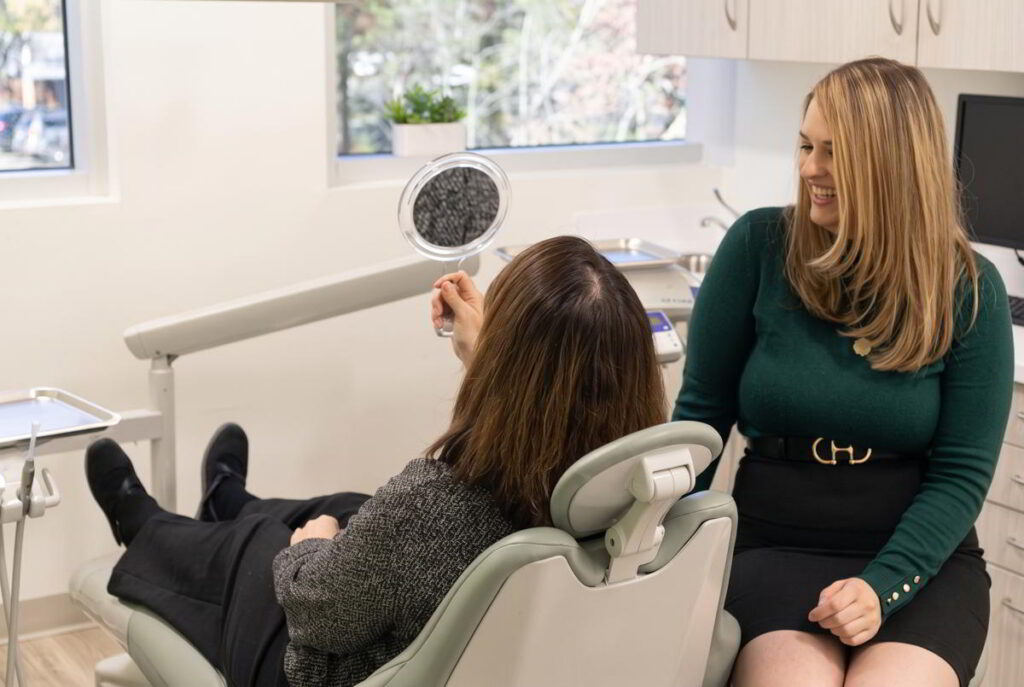
Walking into a new kind of dental practice can feel unfamiliar, especially if you have heard that the appointment looks very different from a routine cleaning. Your first holistic dental visit is usually longer and more conversational than a standard check-up, because it looks at your mouth in the context of your whole health. A little preparation helps you get far more out of it.
At Bloom Holistic Dental, we want every new patient to feel informed and comfortable before they ever sit in the chair. This is the heart of holistic dentistry: listening first, then examining, then building a plan around you.
In this post, we will walk through what makes a comprehensive biological visit different, what to gather beforehand, the questions worth thinking about and asking, what to expect on the day, and what usually happens afterward.
What Makes a Comprehensive Biological Visit Different
A routine check-up asks whether your teeth and gums have problems today. A comprehensive biological visit also asks why, and what else in your health might be connected. Our first visit typically takes about 60 to 90 minutes, so there is time to talk before anything is examined.
| Routine check-up | Comprehensive biological visit | |
|---|---|---|
| Focus | Teeth and gums | Teeth, gums, bite, jaw joints, airway, tongue and oral tissues |
| Conversation | Brief update on changes | Full medical and dental history, nutrition, concerns and goals |
| Imaging | Standard digital X-rays | X-rays, plus 3D imaging when it is useful |
| Time | Often short | About 60 to 90 minutes |
| Outcome | Cleaning and treatment needs | A whole-person picture that guides a personalized plan |
We describe what we examine in more detail in our post on what holistic dentists look for during an exam, and the thinking behind it in biological dentistry: treating the root cause. This post focuses on your side of the visit: how to arrive prepared.
Before Your Visit: What to Gather
You do not need to prepare a perfect file. A few simple items make the first conversation much more useful:
- Your completed forms. The Medical & Dental History form and the HIPAA & Patient Privacy form can be completed ahead of time.
- A medication and supplement list. Include names, doses and how long you have taken them, since both can affect treatment planning.
- A short health summary. Note diagnoses, surgeries, allergies and any sensitivities to metals, latex or medications.
- Past dental records and X-rays. Details about previous root canals, implants, crowns and fillings help us see the full picture, and your former dentist can usually provide copies.
- Recent lab results, if you have them and are comfortable sharing, especially if you are working with another practitioner.
- Notes on your symptoms. Jot down pain, jaw clicking, snoring, dry mouth, headaches or grinding, with when they started and what makes them better or worse.
- Your goals and questions. Write down what matters most to you, whether that is a specific problem, a second opinion or a plan for the long term.
Sharing your medication list is not a formality. The American Dental Association advises patients to tell their dentist about their medication use and overall health, including both prescription and over-the-counter products, because many medications can affect dental treatment. Common effects such as dry mouth can also raise the risk of cavities. If anything changes after your visit, let us know so your records stay current.
You can find the forms and booking details on our New Patients page. If dental anxiety has kept you away from the dentist, let us know when you book. We would much rather plan around it than have you worry in silence.
Questions to Think About, and Questions to Ask
The first visit is a two-way conversation. It helps to think ahead about what we are likely to ask you:
- What brought you in, and how long has it been going on?
- How are your energy, sleep, digestion and stress?
- Do you snore, wake unrefreshed, clench or grind your teeth?
- What dental work have you had, and how did it go?
- Are you managing any ongoing health conditions or seeing other practitioners?
You should also feel free to ask us questions. Good ones include:
- What did you find, and what is most urgent versus what can wait?
- What is the evidence behind each recommendation, and what are the alternatives?
- Which findings are well established, and which are still being researched?
- What will each step cost, and how will treatment be paced?
- Do you recommend that I coordinate with my physician or another specialist?
A good biological dentist welcomes these questions. Honest answers, including “the evidence here is limited,” are part of how trust is built.
What to Expect During the Visit
Every visit is tailored, but the flow usually looks like this:
- A conversation first. We review your medical and dental background, nutrition, concerns and any dental anxiety, so we understand you before we examine you.
- A full exam of the mouth. This includes your teeth, gums and oral tissues, along with an oral cancer screening.
- A look beyond the teeth. We assess your bite, your jaw joints (TMJ), your airway and your tongue function, because these can influence both comfort and overall health.
- Imaging as needed. Digital X-rays are standard, and 3D imaging may be recommended when it adds useful information.
- A discussion of what we found. We explain our findings in plain language and talk through your options and priorities.
If you are curious about imaging, you can read about cone beam CT (CBCT) before your visit. If you have concerns about materials or sensitivities, it is also a good time to ask about biocompatibility testing, which we may discuss when restorations are being planned.
A few practical notes: there is an initial consultation fee that covers the comprehensive evaluation, and we can submit claims to your insurance carrier on your behalf. Details are on our New Patients page, and you are always welcome to call us with questions.

After the Visit: What Happens Next
You should leave with a clearer understanding of your health, not a long list of surprises. In most cases, what follows looks like this:
- A prioritized plan. Anything urgent, such as pain or infection, comes first. Other recommendations are sequenced so your treatment is paced to your needs and budget.
- Time to decide. You are welcome to take your findings home, think them over and get a second opinion.
- Coordination with your other providers. When your oral health overlaps with other health concerns, we are glad to work alongside your physician.
- Realistic expectations. A biological approach aims to support your health and address root causes. It does not promise to cure unrelated conditions, and we will always be honest about what dental care can and cannot do.
One comprehensive visit is the beginning of a relationship. The more openly you share your history and goals, the better we can tailor care to you.
If you are wondering why your dentist might want to talk with your physician, our post on oral inflammation and chronic disease explains how the mouth and the rest of the body influence each other.
Frequently Asked Questions
How long does the first visit take?
Our first comprehensive visit typically takes about 60 to 90 minutes, which leaves time for a thorough conversation as well as the exam.
Do I need to bring my old dental records?
It helps, especially records and X-rays showing past root canals, implants and larger restorations. If you cannot get them in time, come anyway. We can request them later or take new images when needed.
Should I stop taking my medications or supplements before the visit?
No. Never stop a prescribed medication without talking to your physician. Bring a complete list and share it with us so we can plan safely.
Will I need treatment at the first visit?
Usually the first visit is about evaluation and planning. If you have an urgent problem such as pain or infection, we will discuss how to address it promptly. Other treatment is planned together, on a timeline that works for you.
The Bottom Line on Your First Holistic Dental Visit
Your first holistic dental visit is longer, more conversational and broader than a routine check-up, and a little preparation makes it more valuable. Gather your forms, medications, records and symptom notes, think about your goals, and bring your questions. In return, you can expect to be listened to, thoroughly examined and given a clear, paced plan, with honest answers about what is well established and what is still being studied.
Ready for a whole-body approach to your dental care? Bloom Holistic Dental proudly serves patients throughout New Jersey with IAOMT-accredited, whole-body dental care. Visit our New Patients page or contact our Englishtown office to schedule your first comprehensive visit with Dr. Nicole Zimmermann.
Practice Name: Bloom Holistic Dental
Our Location: 55 Willow Lane, Suite 203, Englishtown, NJ 07726
Phone Number: 732-792-3260
Connect with Us: Visit our New Patients Portal to request an appointment or schedule a consultation with our friendly clinical team.
Medically reviewed by Dr. Nicole Zimmermann
Medical Disclaimer: This article is for educational purposes only and does not constitute medical or dental advice. Individual health decisions should be made in consultation with Dr. Zimmermann and your physician or another qualified healthcare provider.
Sources referenced:
ADA MouthHealthy: Medications and Oral Health