Personalized Treatment Plans: Why One-Size-Fits-All Doesn’t Work
Modern healthcare is rapidly shifting away from standardized protocols and moving toward individualized care models that respect biological differences. Dentistry, especially holistic and biologic dentistry, is at the center of this evolution. Patients today are more informed, more health-conscious, and more aware that oral health directly impacts the rest of the body.
A generic dental approach may address visible symptoms, but it often fails to consider deeper contributors such as immune response, inflammation, airway health, and material compatibility. This is where Personalized Treatment Plans become essential.
A custom holistic dental plan recognizes that no two patients share the same biology. Factors such as genetics, lifestyle, nutrition, stress levels, and systemic health conditions all influence how dental disease develops and how the body heals. Individualized biologic dentistry focuses on these factors to create care plans that are safer, more precise, and more effective over time.
What Are Personalized Treatment Plans in Holistic Dentistry?
Moving Beyond Standardized Protocols
Traditional dentistry often relies on uniform procedures that are applied broadly to large patient populations. While this approach is efficient, it does not account for individual biological differences that can influence treatment outcomes.
Personalized treatment planning in holistic dentistry begins by understanding the patient as a whole. Instead of simply treating teeth in isolation, biologic dentists evaluate how oral health interacts with systemic health. This approach allows care to be preventive, conservative, and biologically supportive.
A custom holistic dental plan is designed to reduce stress on the immune system, minimize toxic exposure, and promote natural healing. It aligns dental interventions with the body’s ability to respond, recover, and maintain balance over time.
The Limitations of One-Size-Fits-All Dentistry
Why Generic Dental Care Can Fall Short
Standardized dental care assumes that most patients will respond similarly to the same materials, procedures, and timelines. In reality, healing responses vary widely from person to person.
Generic dentistry may overlook subtle signs of immune stress, inflammation, or intolerance to dental materials. Over time, this can contribute to chronic discomfort, repeated dental failures, or unresolved oral health issues.
Additionally, a one-size-fits-all approach often prioritizes speed and symptom management rather than long-term stability. This can result in treatments that need frequent replacement or fail to address the underlying cause of disease.
1. Material Sensitivities Are Often Ignored
Dental materials remain in the body for years, sometimes decades. Metals, composites, and bonding agents can trigger immune reactions in sensitive individuals.
Without proper evaluation, these sensitivities may manifest as chronic inflammation, oral burning, fatigue, or systemic symptoms that are difficult to trace back to dental work. Individualized biologic dentistry prioritizes material compatibility to reduce these risks.
2. Root Causes Are Overlooked
Cavities, gum disease, and tooth fractures are rarely isolated events. They are often influenced by diet, bacterial imbalance, stress hormones, breathing patterns, and nutritional deficiencies.
Treating symptoms without identifying contributing factors can lead to recurring problems. Personalized treatment plans aim to correct the underlying imbalance rather than repeatedly addressing surface-level damage.
3. Whole-Body Connections Are Missed
The mouth is a gateway to the body. Chronic oral infections can affect cardiovascular health, metabolic function, and immune regulation.
A one-size-fits-all approach may fail to recognize how dental inflammation contributes to broader health challenges. Individualized biologic dentistry integrates oral care into a wider health context.
4. Healing Responses Vary Significantly
Some patients heal quickly and predictably, while others experience prolonged sensitivity or inflammation after similar procedures.
Genetics, nutrient status, stress levels, and immune resilience all play a role. Personalized care adapts treatment timelines and techniques to support optimal healing for each individual.

What Makes a Custom Holistic Dental Plan Different?
A Whole-Body Perspective
A custom holistic dental plan views oral health as an extension of overall wellness. Instead of focusing solely on teeth and gums, holistic dentists assess how oral conditions affect and reflect systemic health.
This approach considers inflammatory burden, toxin exposure, airway stability, and neuromuscular balance. Dental care becomes part of a broader wellness strategy rather than an isolated intervention.
By addressing the body as an interconnected system, personalized dental plans support long-term health rather than temporary fixes.
Key Components of Personalized Treatment Plans
Comprehensive Health History Review
A thorough health history forms the foundation of individualized care. This process goes beyond basic medical forms and explores patterns that may influence oral health.
Chronic illness, autoimmune conditions, medication use, and past dental experiences all provide valuable insight. Understanding these factors helps dentists anticipate risks and customize treatment strategies accordingly.
This detailed assessment ensures that dental care aligns with the patient’s broader health goals and limitations.
Oral Microbiome Assessment
The balance of bacteria in the mouth plays a critical role in cavities, gum disease, and inflammation. Personalized dentistry focuses on restoring balance rather than eliminating bacteria indiscriminately.
Evaluating bacterial patterns allows targeted strategies such as ozone therapy, remineralization, and dietary adjustments. This supports a healthier oral environment that is less prone to disease recurrence.
A stable microbiome also contributes to improved immune function and reduced systemic inflammation.
Biocompatibility and Material Selection
Material selection is a cornerstone of individualized biologic dentistry. What works well for one patient may trigger adverse reactions in another.
Biocompatibility testing helps identify materials that are least likely to stress the immune system. Metal-free restorations, zirconia implants, and non-toxic composites are often preferred for sensitive patients.
Choosing compatible materials supports better healing, comfort, and long-term success.
Airway and Breathing Evaluation
Breathing patterns influence jaw development, bite alignment, and sleep quality. Mouth breathing and airway restriction can contribute to chronic dental and systemic issues.
Personalized plans often include airway assessments to identify risks related to sleep-disordered breathing. Addressing these concerns can improve energy levels, immune resilience, and oral stability.
Airway-focused care represents a major advancement in holistic dental planning.
Bite, TMJ, and Jaw Function Analysis
Bite imbalances place stress on teeth, muscles, and joints. Over time, this can lead to fractures, headaches, and chronic jaw pain.
A personalized approach evaluates how the teeth come together and how the jaw moves during function. Subtle corrections can significantly improve comfort and prevent future damage.
This level of analysis is often absent in conventional care but central to biologic dentistry.
Personalized Treatment Plans and Preventive Care
Prevention Tailored to Your Risk Profile
Not all patients face the same dental risks. Some are more prone to decay, while others struggle with inflammation or enamel erosion.
A custom holistic dental plan identifies individual risk factors and tailors preventive strategies accordingly. This reduces overtreatment while maximizing protection.
Preventive care becomes more effective when it is aligned with a patient’s biology and lifestyle.
How Personalized Dentistry Supports Systemic Health
The Oral-Systemic Connection
Scientific research continues to confirm the connection between oral inflammation and systemic disease. Chronic oral infections can contribute to inflammatory pathways throughout the body.
By addressing oral health at a deeper level, individualized biologic dentistry supports cardiovascular health, metabolic balance, and immune regulation.
Personalized care helps reduce the oral burden that may aggravate chronic health conditions.

The Role of Patient Involvement in Personalized Care
Shared Decision-Making
Personalized dentistry is collaborative. Patients are educated about treatment options, materials, and long-term implications.
This transparency builds trust and allows patients to make informed decisions aligned with their values. Engagement improves compliance and overall satisfaction.
When patients understand their care plan, outcomes are consistently better.
Personalized Treatment for Special Health Conditions
Autoimmune and Chronic Illness
Patients with autoimmune disorders or chronic inflammatory conditions often require modified dental approaches.
Personalized planning helps minimize immune triggers, reduce inflammation, and support healing capacity. This makes dental care safer and more predictable for medically complex patients.
Pregnancy and Hormonal Changes
Hormonal fluctuations affect gum tissue, healing, and inflammation. Personalized dental care adapts timing and techniques to protect both mother and baby.
Gentle, non-toxic approaches are prioritized to support maternal health during pregnancy.
Children and Developmental Considerations
For children, early personalization can guide jaw growth, airway development, and cavity prevention.
Holistic strategies support proper development while reducing the need for invasive interventions later in life.
Technology and Diagnostics in Personalized Dentistry
Advanced Imaging and Testing
Modern diagnostics allow for precise planning tailored to individual anatomy and risk factors.
3D imaging, microbial analysis, and digital bite assessments provide insights that improve accuracy and safety. Technology supports personalization when used thoughtfully.
Why Personalized Treatment Plans Lead to Better Outcomes
Long-Term Stability
Personalized care addresses contributing factors rather than repeating repairs. This leads to fewer failures and more durable results.
Patients experience improved comfort, confidence, and overall satisfaction with their dental care.
Reduced Risk of Complications
Matching materials, techniques, and timelines to individual biology reduces complications.
Personalized dentistry minimizes inflammation, sensitivity, and delayed healing, creating a smoother treatment experience.
Personalized Treatment vs. Cosmetic-Only Dentistry
Health Before Aesthetics
Aesthetic results are most successful when built on a healthy foundation.
Personalized treatment ensures function, stability, and biologic compatibility before focusing on appearance.
How to Know If You Need a Personalized Dental Plan
If you experience recurring dental issues, unexplained inflammation, or sensitivity to materials, personalization may be essential.
Patients seeking long-term wellness benefit most from individualized planning.
The Future of Dentistry Is Personalized
Dentistry is evolving toward precision, prevention, and personalization.
Individualized biologic dentistry represents the future of ethical, effective dental care focused on whole-body health.
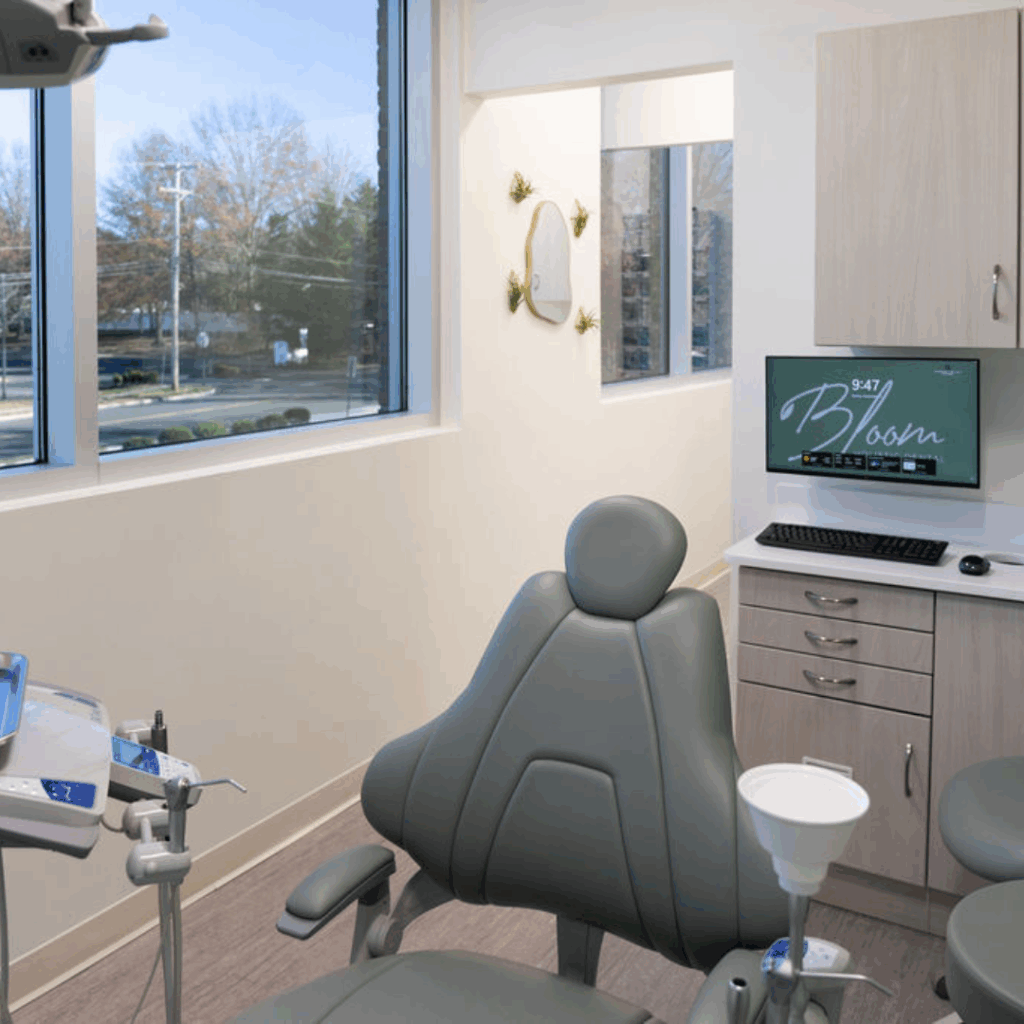
Experience Personalized Care at Bloom Holistic Dental
At Bloom Holistic Dental, we design every treatment plan around the individual, not a template. Our approach to custom holistic dental plans reflects a deep commitment to biologic compatibility, preventive care, and whole-body wellness.
If you are looking for thoughtful, patient-centered dentistry grounded in individualized biologic dentistry, our team is here to guide you.
Bloom Holistic Dental
Holistic & Biologic Dentistry Focused on Personalized Care
Schedule your consultation today and experience dentistry designed specifically for you.
📞 Take the next step toward cleaner, safer, and smarter dental care.
✨ Schedule your holistic consultation today. Your mouth — and your body — will thank you.
Address: 55 Willow Lane, Suite 203, Englishtown, NJ 07726
Phone: 732-792-3260
Email: bloomholisticdental@gmail.com
Hours: Mon 8–3, Tue Closed, Wed 9–4, Thu Closed, Fri 9–4; emergency by request.