PRP and PRF in Holistic Dentistry: Accelerating Healing After Extractions
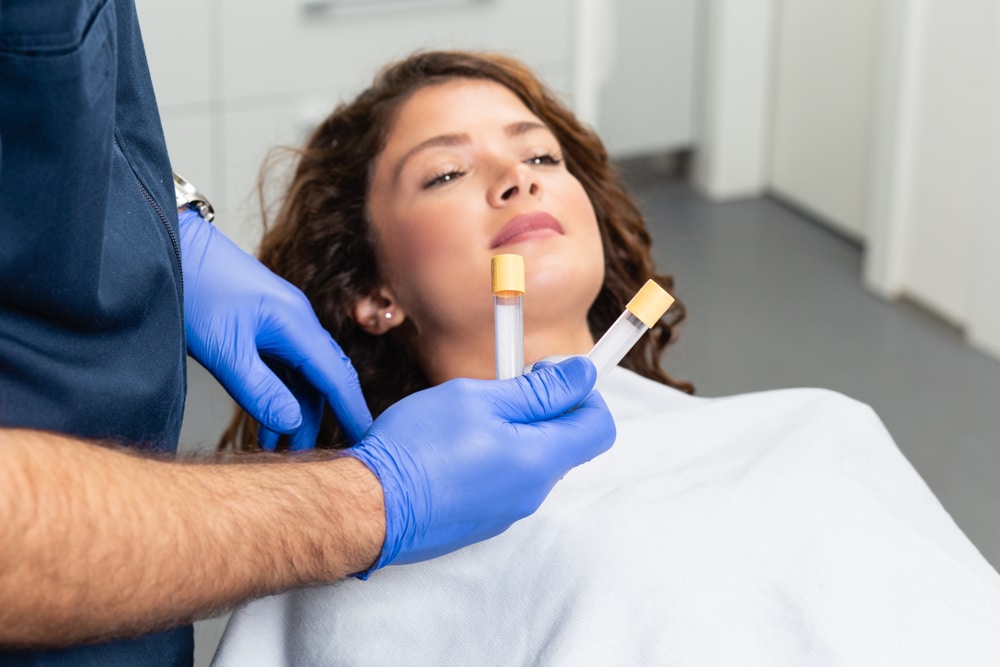
Modern dentistry is evolving beyond drilling, suturing, and pharmaceuticals into a new era guided by biology, regeneration, and minimally invasive healing. Tooth extractions—whether due to infection, trauma, orthodontic need, or wisdom tooth removal—have historically been associated with pain, swelling, bone loss, delayed closure, dry socket risk, and weeks of recovery. While conventional extraction protocols rely on clot formation and time, holistic dentistry accelerates the entire process using the body’s own healing intelligence. This is where PRP and PRF emerge as groundbreaking bio-healing tools.
PRP (Platelet-Rich Plasma) and PRF (Platelet-Rich Fibrin) are platelet-concentrated therapies derived from the patient’s own blood. When placed into extraction sites, they release a powerful combination of growth factors, cytokines, fibrin proteins, and healing signals that dramatically shorten recovery, protect bone volume, reduce inflammation, stimulate soft tissue regrowth, and lower infection risk—all without synthetic chemicals, foreign grafts, or pharmaceutical dependence. This approach aligns perfectly with biological dentistry goals: heal naturally, protect structure, reduce trauma, and restore function without disrupting systemic balance.
The demand for PRP dental healing and natural tooth extraction recovery continues rising because patients want outcomes that don’t just close a wound—they regenerate it. Whether the goal is to prevent cavitation, maintain jawbone density for future implants, eliminate dry socket risk, or simply recover faster without narcotics or synthetic additives, PRP and PRF therapy redefine what post-extraction healing can look like when the body is given amplified biological tools.
The Science of Platelet-Based Healing in Dentistry
The human body naturally heals through platelet signaling. Platelets release growth compounds like PDGF, TGF-β, VEGF, and IGF, which direct tissues to regenerate, form new blood vessels, stimulate collagen synthesis, and fight infection. Standard extractions rely on a natural blood clot—which contains a small, uncontrolled amount of these healing components. In contrast, PRP and PRF concentrate platelets 5–10x higher than normal circulating blood and deliver them directly into the surgical site.
PRP is a liquid concentrate that initiates rapid tissue signaling, while PRF forms a fibrin membrane that acts like a biological scaffold, protecting nerves, sealing the socket, and enabling sustained growth factor release for 7–14 days. In holistic extraction protocols, the two work synergistically—PRP jumpstarts healing, and PRF sustains it. Because PRP and PRF come from the same patient, there is zero risk of immune rejection, chemical sensitivity, contamination, or biological incompatibility.
This is why PRP dental healing is becoming a gold standard for biologically guided extractions—it transforms healing from passive to active. Bone regenerates instead of collapsing. Soft tissue closes faster instead of shrinking. Pain resolves quicker instead of lingering. For patients pursuing natural tooth extraction recovery, this approach replaces “wait and heal” with “stimulate and regenerate.”

Why Extraction Sites Need More Than a Natural Blood Clot
After a tooth is removed, the body forms a fragile clot that protects the socket and launches healing. However, traditional clots are unstable, easily disrupted, and limited in biological signaling. When these clots fail, complications arise—including dry socket, delayed closure, infections, bone resorption, and nerve exposure.
Without intervention, extraction sites lose 40–60% bone volume within the first 12 weeks. This bone loss impacts facial structure, sinus support, future implant stability, TMJ balance, and long-term oral function. Patients often don’t feel this structural change until later, when chewing patterns shift, implants require complex grafting, or facial volume begins to collapse prematurely.
PRP and PRF provide what a standard clot cannot—structural integrity, accelerated vascularity, infection defense, controlled inflammation response, osteogenic stimulation, and protection from environmental contamination. The fibrin mesh created by PRF works like living bandage that seals the wound, supports tissue adhesion, and continuously feeds the site with healing messengers. This is why patients receiving PRP and PRF therapy experience lower pain levels, fewer complications, reduced medication dependence, and more predictable long-term outcomes.
Key Biological Benefits of PRP and PRF After Extractions
The biological effects of platelet therapies include:
-
Faster soft tissue closure
-
Higher bone regeneration potential
-
Reduced risk of dry socket
-
Less post-operative swelling
-
Increased blood supply and oxygen to tissues
-
Reduced bacterial colonization
-
Stimulation of collagen and fibroblast activity
-
Protection of underlying nerves
-
Lower need for synthetic analgesics or antibiotics
-
Improved patient comfort and faster eating/speaking recovery
These advantages make PRP dental healing one of the most patient-centered advancements in modern biologic dentistry.
Natural Tooth Extraction Recovery vs Conventional Healing
Traditional extraction recovery is reactive: monitor symptoms, prescribe pain control, and intervene only if complications arise. Natural tooth extraction recovery is proactive: stimulate regeneration from the first moment, reduce trauma impact, enhance cellular communication, and biologically protect the wound environment.
Patients who do not receive PRP and PRF often experience moderate to high inflammatory responses, swelling peaks at 48–72 hours, eating limitations for 5–10 days, risk of dry socket for 7–10 days, and unpredictable tissue closure timelines. In contrast, patients treated with PRP and PRF show measurable reductions in pain, drastically reduced inflammation, visible tissue closure in 3–5 days, and faster return to normal function.
The biggest difference lies in quality of healing. Natural recovery seeks regeneration—restoring tissue strength, vascular supply, bone volume, and nerve protection. Conventional recovery seeks closure—achieving wound coverage with no guarantee of structural preservation. For patients pursuing long-term oral health, the regenerative model is superior.
PRF as a Biological Bandage: How It Protects the Socket
PRF forms a fibrin matrix enriched with platelets, leukocytes, stem cell signals, and regenerative proteins. This matrix acts like a protective membrane that cushions the surgical impact zone, covers exposed nerve pathways, supports clot stability, and gradually dissolves as the body replaces it with new tissue.
Unlike synthetic membranes, PRF integrates biologically, meaning it does not disrupt the immune response—it enhances it. The membrane also acts as a nutrient reservoir, delivering a slow continuous release of growth factors instead of a one-time reaction. This sustained release is critical for preventing infection, stabilizing the clot, reducing sensitivity, and accelerating wound closure without unnecessary inflammation.
Patients who receive PRF protection report notable differences: fewer sleep disruptions, minimal bleeding, reduced sensitivity to temperature, earlier return to normal diet, and significantly less post-extraction discomfort.
How PRP and PRF Reduce Dry Socket and Nerve Pain
Dry socket occurs when a clot collapses or dissolves prematurely, exposing bone and triggering acute nerve pain. Traditional prevention includes sutures, rinsing protocols, and activity restrictions—yet dry socket still occurs in 5–30% of extraction cases, depending on complexity and patient health factors.
PRP and PRF reduce this risk dramatically by reinforcing clot integrity, stabilizing fibrin architecture, increasing vascular regeneration, and sealing the wound against contamination. Because the extraction site heals from the inside outward rather than top down, nerves remain protected during the entire recovery window.
In holistic patient feedback, PRP dental healing consistently correlates with lower pain scores, fewer emergency follow-ups, and minimal need for prescription analgesics.
Who Benefits Most from PRP & PRF After Extractions?
This therapy is particularly beneficial for:
-
Wisdom tooth extraction patients
-
Patients prone to dry socket
-
Smokers and slow healers
-
Patients with autoimmune or inflammatory conditions
-
Individuals with bone density concerns
-
Those planning future implants
-
Patients avoiding pharmaceuticals
-
Anyone seeking natural tooth extraction recovery
PRP Dental Healing: The Gold Standard for Natural, Faster Extraction Recovery
PRP dental healing is rapidly becoming the preferred biologic approach for patients seeking natural tooth extraction recovery without synthetic additives, chemicals, or dependency on medications. PRP and PRF harness the body’s platelets and growth factors to accelerate tissue repair, regenerate cells, and initiate healing immediately after an extraction. Unlike conventional recovery approaches that rely on reactive treatment after inflammation sets in, PRP dental healing proactively boosts regeneration by concentrating platelet-rich plasma and placing it directly into the extraction site.
For individuals prioritizing natural tooth extraction recovery, PRP eliminates unnecessary exposure to external healing aids by amplifying the body’s own restoration mechanisms. The high concentration of platelets releases bioactive proteins that reduce inflammation, enhance soft tissue repair, improve clot stability, and lower post-operative discomfort. Patients who choose PRP and PRF-based healing typically experience faster socket closure, minimal bleeding, significantly reduced swelling, and a noticeably lower risk of infection compared to traditional methods.
Clinical literature continues to support PRF and PRP use in dental tissue regeneration and accelerated wound healing (source).
Because PRP dental healing is 100% autologous (derived from the patient’s own blood), there is zero risk of rejection, allergies, or material sensitivity—making it ideal for those seeking clean, holistic recovery solutions. This approach is especially advantageous for patients who face slower healing due to diabetes, immune conditions, smoking, prior dry socket history, or inflammatory disorders. When PRP and PRF are applied after extractions, patients often reduce or completely eliminate the need for pain medications and antibiotics, supporting a safer, gentler, and fully biological healing path. For patients seeking natural tooth extraction recovery with greater comfort, minimal side effects, and accelerated tissue regeneration, PRP dental healing provides unmatched clinical and experiential benefits.
PRF and Natural Tooth Extraction Recovery: A Biologic Shield for Long-Lasting Healing
PRF takes natural tooth extraction recovery a step further by offering long-term, sustained healing support beyond the initial 48 hours where PRP is most active. Unlike PRP, which delivers an initial regenerative boost, PRF forms a fibrin-based membrane that continues to release healing factors for up to 7–14 days. This makes PRP and PRF the most powerful duo in modern biologic dentistry for patients seeking natural tooth extraction recovery without foreign grafts, synthetic membranes, or chemically processed healing materials.
For patients favoring natural tooth extraction recovery, PRF acts like a protective biological bandage that stabilizes blood clots, shields nerve endings, prevents bacterial invasion, and promotes rapid tissue repair. This is particularly beneficial in preventing dry socket—a painful complication caused by premature clot loss. When PRP and PRF are used together, the socket heals from the inside out with improved clot integrity, better gum tissue formation, faster bone remodeling, and long-term preservation of the extraction site.
An added advantage of PRF-supported recovery is its ability to promote natural bone regeneration, making it an excellent choice for patients planning implants in the future but wanting to avoid synthetic bone grafts. Through enhanced osteogenic activation, PRF encourages the jawbone to maintain density and volume post-extraction. Patients consistently report smoother recovery experiences, reduced sensitivity, less swelling, fewer complications, and a faster return to normal eating and speaking comfort.
For those committed to non-toxic, minimally invasive, and biology-first solutions, PRP and PRF provide the most advanced and natural tooth extraction recovery system in modern holistic dentistry. This organic healing protocol significantly improves outcomes while honoring the body’s innate ability to regenerate without interference from artificial fillers.
PRP and PRF for Future Implant Site Protection
Preserving bone after extraction is critical for implant candidacy. When bone collapses, future implant placement becomes more invasive, costly, and time-intensive. Because PRP and PRF stimulate osteogenesis (new bone creation), they preserve ridge height, density, and structural integrity—often eliminating the need for artificial bone grafting later.
For patients considering implants, PRP dental healing is not just a recovery tool—it is implant site insurance.
Holistic vs Conventional Post-Extraction Protocols
Holistic protocols prioritize biology over symptom suppression. PRP and PRF replace synthetic scaffolds, minimize pharmaceutical reliance, enhance lymphatic drainage, and guide the body into a regenerative healing cascade. Conventional care manages side effects; holistic care accelerates healing mechanisms themselves.
Patient Experience: The Real Difference in Recovery
Patients receiving PRP and PRF frequently report:
-
Eating normally 2–4 days sooner
-
Less swelling at 24 hours
-
Almost no sharp post-op pain window
-
Faster gum closure
-
Clearer speech and less jaw stiffness
-
Reduced medication dependency
This is why natural-minded patients choose biologic extraction care—it delivers a visibly different healing trajectory.
Contact Bloom Holistic Dental Today
Healing from a tooth extraction should not be a long, painful waiting game. At Bloom Holistic Dental, we elevate recovery using advanced PRP and PRF therapies that turn the body’s own platelets into accelerated healing medicine. Our biologically driven approach supports PRP dental healing and natural tooth extraction recovery—helping patients recover faster, with less swelling, less pain, reduced dry socket risk, stronger bone preservation, and minimal dependence on pharmaceuticals.
If you want extraction care that protects your future bone health, preserves your implant options, reduces nerve sensitivity, and dramatically shortens downtime, our regenerative extraction protocol is designed for you. We treat healing as a biological process—not a waiting period.
Address: 55 Willow Lane, Suite 203, Englishtown, NJ 07726
Phone: 732-792-3260
Email: bloomholisticdental@gmail.com
Hours: Mon 8–3, Tue Closed, Wed 9–4, Thu Closed, Fri 9–4; emergency by request.
Podcast: Play in new window | Download